
Introduction
Production Line Installation Conveyors
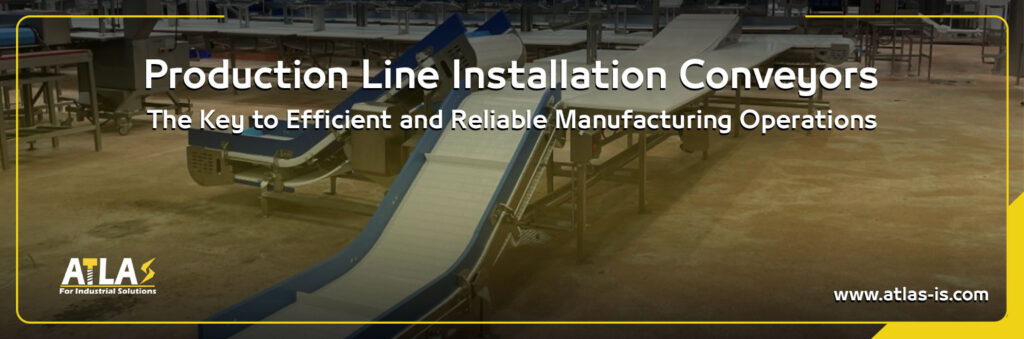
In today’s competitive industrial environment, manufacturers are constantly looking for ways to improve productivity, reduce operational costs, and streamline material handling processes. One of the most effective solutions for achieving these goals is the implementation of Production Line Installation Conveyors.
Conveyor systems have become a fundamental part of modern manufacturing facilities, enabling the smooth and automated movement of materials, components, and finished products throughout production lines. Proper conveyor installation plays a crucial role in ensuring operational efficiency, minimizing downtime, and maximizing return on investment.
Whether in food processing, packaging, automotive manufacturing, pharmaceuticals, logistics, or heavy industries, professionally designed and installed conveyor systems significantly enhance workflow and overall plant performance.
This article explores the importance of production line conveyor installation, the different types of conveyor systems, key installation considerations, benefits, challenges, and how professional industrial solutions can support long-term manufacturing success.
What Are Production Line Installation Conveyors?
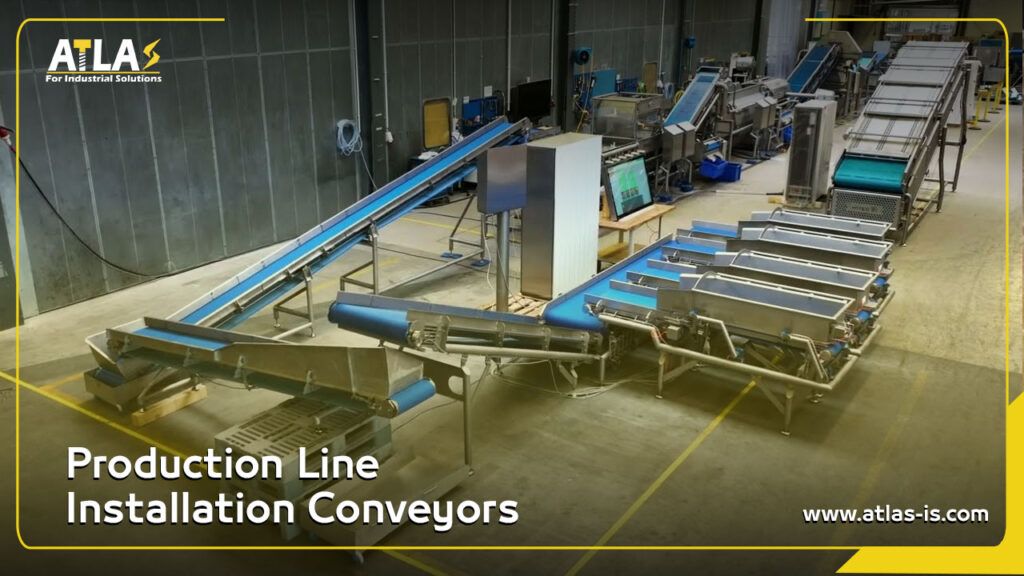
Production line installation conveyors refer to the design, fabrication, installation, and integration of conveyor systems within manufacturing facilities to automate material movement between various production stages.
These systems transport products efficiently from one workstation to another while maintaining a continuous production flow.
Conveyor installations can be customized based on:
- Factory layout
- Product dimensions
- Production capacity
- Industry requirements
- Automation level
- Environmental conditions
A well-installed conveyor system becomes the backbone of an efficient production process.
Why Conveyor Installation Is Critical for Modern Production Lines
Improving Production Efficiency
One of the primary reasons manufacturers invest in conveyor systems is to improve operational efficiency.
Properly installed conveyors help:
- Eliminate unnecessary material handling
- Reduce production bottlenecks
- Improve workflow consistency
- Increase production output
By automating material movement, employees can focus on higher-value tasks rather than transporting products manually.
Reducing Labor Costs
Manual transportation of products requires significant labor resources.
Conveyor systems reduce dependency on manual handling by automating repetitive transportation tasks, leading to:
- Lower labor expenses
- Increased productivity
- Improved workforce utilization
This makes conveyor installation a cost-effective long-term investment.
Enhancing Workplace Safety
Material handling accidents remain one of the leading causes of workplace injuries in industrial facilities.
Conveyor systems help create safer environments by:
- Reducing manual lifting
- Minimizing repetitive movements
- Lowering the risk of product-related injuries
- Improving operational ergonomics
A properly installed conveyor system contributes significantly to workplace safety compliance.
Supporting Industrial Automation
Modern factories increasingly rely on automation technologies.
Conveyor systems can integrate seamlessly with:
- Robotic systems
- Packaging equipment
- Sorting machines
- Inspection systems
- PLC controls
- Smart factory solutions
This integration enables fully automated production environments that improve efficiency and consistency.
Types of Conveyor Systems Used in Production Line Installations
Belt Conveyors
Belt conveyors are among the most common conveyor systems in manufacturing facilities.
They consist of a continuous belt moving across pulleys to transport products.
Applications include:
- Food processing
- Packaging
- Consumer goods manufacturing
- Pharmaceutical production
Benefits include smooth transportation, versatility, and cost-effectiveness.
Roller Conveyors
Roller conveyors use rotating rollers to move products.
They are ideal for:
- Boxes
- Pallets
- Heavy materials
- Warehouse operations
Roller conveyors can be gravity-powered or motor-driven depending on operational requirements.
Chain Conveyors
Chain conveyors are designed for heavy-duty industrial applications.
They are commonly used in:
- Automotive manufacturing
- Metal fabrication
- Heavy equipment production
These systems offer exceptional durability and load-carrying capacity.
Modular Conveyors
Modular conveyor systems use interlocking plastic or metal segments.
Advantages include:
- Flexible configurations
- Easy maintenance
- Simple component replacement
- Adaptability to changing production layouts
These systems are widely used in food and beverage industries.
Overhead Conveyors
Overhead conveyors transport materials above ground level.
They are commonly used when floor space is limited.
Applications include:
- Automotive assembly
- Paint lines
- Garment manufacturing
- Warehousing
Overhead systems maximize facility space utilization.
The Conveyor Installation Process
Site Assessment and Planning
Every successful conveyor installation begins with a detailed site evaluation.
Engineers analyze:
- Production requirements
- Facility dimensions
- Workflow patterns
- Material handling needs
- Future expansion plans
Proper planning ensures optimal conveyor performance.
System Design and Engineering
Following assessment, engineers develop customized conveyor designs.
This phase includes:
- 3D layout development
- Load calculations
- Conveyor routing
- Equipment integration planning
- Safety compliance verification
A well-engineered design minimizes future operational issues.
Equipment Manufacturing and Procurement
Once the design is finalized, conveyor components are manufactured or sourced.
These may include:
- Conveyor frames
- Belts
- Rollers
- Motors
- Gearboxes
- Control systems
- Sensors
High-quality components are essential for long-term reliability.
Mechanical Installation
Installation teams assemble and position conveyor equipment according to engineering specifications.
Key activities include:
- Structural assembly
- Mechanical alignment
- Motor installation
- Drive system integration
- Support structure installation
Precision during installation directly affects conveyor performance.
Electrical and Automation Integration
Modern conveyor systems often require advanced electrical and control systems.
This stage involves:
- Control panel installation
- PLC programming
- Sensor integration
- Safety systems implementation
- Communication network setup
Automation integration ensures efficient and intelligent operation.
Testing and Commissioning
Before full operation begins, the system undergoes extensive testing.
Commissioning procedures typically include:
- Mechanical inspection
- Alignment verification
- Load testing
- Safety checks
- Operational performance evaluation
Testing confirms that the conveyor system meets project requirements.
Key Considerations When Installing Production Line Conveyors
Product Characteristics
The conveyor must be designed according to the products being transported.
Factors include:
- Weight
- Size
- Shape
- Fragility
- Temperature sensitivity
These characteristics influence conveyor type selection.
Production Capacity
Manufacturers must determine:
- Hourly throughput requirements
- Future production growth expectations
- Peak operating demands
The system should support both current and future production goals.
Available Space
Factory layouts vary significantly.
Engineers must optimize conveyor routing while maintaining accessibility and operational efficiency.
Environmental Conditions
Operating environments can impact conveyor performance.
Considerations include:
- High temperatures
- Dust exposure
- Humidity
- Chemical environments
- Washdown requirements
Material selection should reflect these conditions.
Maintenance Accessibility
A well-designed conveyor system allows maintenance personnel easy access to critical components.
This helps reduce repair time and improve equipment availability.
Benefits of Professional Conveyor Installation
Choosing experienced industrial specialists for conveyor installation provides several advantages:
Increased Equipment Reliability
Professional installation ensures proper alignment, integration, and performance.
Reduced Downtime
Correct installation minimizes future operational disruptions and maintenance issues.
Improved Production Flow
Well-designed conveyor systems eliminate bottlenecks and improve workflow efficiency.
Lower Operating Costs
Efficient material handling reduces labor and maintenance expenses.
Faster Return on Investment
Improved productivity and reduced downtime help manufacturers recover their investment more quickly.
Common Challenges During Conveyor Installation Projects
Although conveyor installations offer significant benefits, several challenges may arise:
Limited Facility Space
Existing facilities may have space constraints requiring customized solutions.
Integration with Existing Equipment
New conveyors must often connect with legacy machinery and production systems.
Production Interruptions
Installation projects must be carefully scheduled to minimize disruption to ongoing operations.
Future Scalability
Manufacturers should ensure conveyor systems can accommodate future expansion requirements.
Working with experienced engineering teams helps overcome these challenges effectively.
Atlas Industrial Solutions and Conveyor Installation Services
Atlas Industrial Solutions provides comprehensive conveyor system installation services tailored to the unique needs of industrial facilities.
Services include:
- Conveyor system design
- Production line development
- Custom conveyor manufacturing
- Mechanical installation
- Automation integration
- Commissioning and testing
- Maintenance and technical support
By combining engineering expertise with advanced industrial technologies, Atlas Industrial Solutions helps manufacturers improve productivity, optimize workflows, and achieve long-term operational success.
The Future of Conveyor Systems in Manufacturing
The next generation of conveyor systems is becoming increasingly intelligent and connected.
Emerging technologies include:
Smart Conveyor Systems
Real-time monitoring allows operators to track performance and identify issues instantly.
Predictive Maintenance
Sensors and analytics help detect potential failures before they occur.
Artificial Intelligence Integration
AI improves operational efficiency through automated decision-making and optimization.
Energy-Efficient Designs
Modern conveyor systems are designed to reduce energy consumption while maintaining high performance.
Industry 4.0 Connectivity
Conveyor systems are increasingly integrated into fully connected smart factories.
These innovations are transforming material handling and creating new opportunities for manufacturing efficiency.
Conclusion
Production Line Installation Conveyors are essential components of modern manufacturing operations. They improve efficiency, reduce labor costs, enhance safety, support automation, and ensure continuous production flow.
A professionally designed and installed conveyor system can significantly increase productivity while reducing operational challenges and maintenance costs.
As industries continue to embrace automation and digital transformation, conveyor systems will remain a critical investment for manufacturers seeking sustainable growth, operational excellence, and long-term competitiveness.
Get in Touch Now
We are ready to help you anytime via WhatsApp or Email